
Share
10 Ways McKinsey Predicts Consumer Behavior Will Forever Change Post-Pandemic
When McKinsey Consulting releases a report, major brands and ambitious entrepreneurs take notice. Decades of research, data modeling, and problem-solving have positioned the firm as a trusted source for understanding how markets evolve and how people make decisions.
The last few years introduced sweeping changes in how people live, shop, and interact with brands, and those changes continue to define post-pandemic consumer behavior across industries. Even as routines stabilize, new opportunities remain for businesses of every size to position themselves effectively within what many describe as the new normal.
Advertise Purple’s goal is to explore these insights through the lens of affiliate marketing to highlight practical ways to adapt within a digital-first economy. Some observations may feel familiar; others may challenge assumptions. Yet, all offer value for merchants looking to expand reach and influence in today’s marketplace.
Understanding Post-Pandemic Consumer Behavior Through a Digital Lens
Post-pandemic consumer behavior reflects learned convenience, accelerated trust in digital channels, and comfort with discovery outside traditional retail paths. Consumers now expect brands to meet them where they already spend time, from content platforms to comparison sites to creator-driven recommendations.
Affiliate marketing fits naturally into this ecosystem. Partners influence discovery at key decision points and help brands stay visible during moments of intent. Our work across industries shows that merchants who align their affiliate strategy with these behavioral shifts see measurable gains in reach and revenue.
So, let’s begin. During the pandemic, we’ve identified five major themes that reflect how consumers have responded to stay-at-home orders, which McKinsey predicts will persist.
Those are:
- Flight to online
- Shock to loyalty
- Need for hygiene transparency
- Back to basics and value
- Rise of the homebody economy
Let’s start with the flight to online:
1. Digital Shopping Is Here To Stay
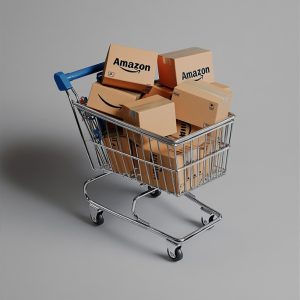
This is one of the most obvious shifts highlighted by McKinsey. The pandemic accelerated a move toward digital shopping and away from brick-and-mortar locations. McKinsey and other analysts expect this reliance on online shopping to continue even after the pandemic is entirely behind us.
Categories projected to grow by more than 35 percent in online shoppers include essentials such as over-the-counter medicine, groceries, household supplies, and personal-care products. Discretionary categories such as skincare and makeup, apparel, jewelry, and accessories are also expected to see customer growth exceeding 15 percent.
2. Millennials And High-Income Earners Are In The Lead When It Comes To Shopping Online
McKinsey believes the shift to online shopping has been nearly universal across categories. High-income earners and millennials are leading the move by shifting more of their spending online across both essential and nonessential items.
Gen X has experienced a similar online shift, though not to the same extent as millennials. Gen Z has shifted online in particular categories: apparel and footwear, at-home entertainment, and food takeout/delivery.
Next, we have Shock to Loyalty:
3. Consumers Are Switching Brands At Unprecedented Rates
Economic pressure, supply issues, and changing priorities pushed consumers to try new brands at record levels. Once shoppers discover alternatives that meet expectations, many do not return to previous favorites.
This environment favors brands that show up at the right time. Affiliate channels introduce shoppers to alternatives during active consideration. For emerging merchants, this creates an opportunity to compete alongside established players without massive ad budgets.
Affiliate discovery bridges curiosity and conversion, especially when loyalty wanes.
So, how can brands prepare for this lapse in loyalty?
4. Brands Need To Ensure Strong Availability, And Also Convey Value
This principle applies beyond the coronavirus period and remains relevant in any market climate. Shoppers point to several reasons for switching brands, with in store and online availability, convenience, and perceived value ranking highest.
Operational performance matters more than ever. A consumer experience that feels simple, intuitive, and reliable sets brands apart in competitive categories. Shoppers now expect accurate shipping timelines and consistently high service standards as part of the baseline experience.
Issues within a brand’s control should never become barriers to loyalty. Disappointing customers who already appreciate a product, but struggle to access it, can quickly push them toward alternatives.
5. U.S. Consumers Are Changing How They Shop In Response To Health And Safety Concerns
Health awareness increased across retail and service environments. Consumers pay closer attention to cleanliness, fulfillment processes, and contactless options.
Brands that share operational updates through partner channels maintain transparency without overwhelming owned media. Affiliate content often contextualizes brand practices within reviews or recommendations, which feels natural to consumers.
Contactless services, curbside pickup, and delivery integrations continue to appeal across age groups, with particularly strong adoption among younger consumers.
Next is ‘back to basics’ and value:
6. Consumer Shopping Intent Is Now More Focused On Essentials
About 40 percent of US consumers have reduced overall spending, and they expect to continue cutting back on nonessentials. This reality reflects profound discomfort about the state of the economy.
Merchants that highlight practicality, durability, and everyday usefulness resonate more with cautious buyers. Affiliate content centered on comparisons, savings, and product education aligns well with this mindset. Value-focused messaging performs strongly across coupon, loyalty, and content partners during periods of tighter budgets.
7. Consumers Want Value For Their Money
Obviously, right? Well, not really…
Tied to concerns about the state of the economy is an increasing consumer focus on value, especially in essential categories. For example, in shampoo on Amazon, value and mass products have seen the largest gains in share, at two- and five-percentage-point increases, respectively.
Premium shampoo products have seen significantly less growth, losing more than five points of volume.
We’re seeing a rise in “The Homebody Economy”:
8. Americans Are Changing How They Spend Their Time At Home
Yes, things have opened up somewhat across the country and around the world, but most of us are finding ourselves at home far more often than usual.
Americans are spending more of their at-home time on domestic activities, media, and news. The intent to eat more at home post-COVID-19 has strengthened significantly over the past three months.
Usage of popular online entertainment platforms has skyrocketed. (The popular video game Fortnite recently hosted a concert that was “attended” by 12.3 million users.1 ) Investment in at-home fitness through equipment purchases and online activity is growing.
Consumers still expect to spend more time on at-home activities, even in less-restricted regions.
9. Americans Are Concerned About Going Back To Regular Activities Outside The Home
As economies reopen, 73 percent of consumers are still hesitant to resume regular activities outside the home. They are concerned about visiting a hair salon, gym, or restaurant.
Still, they are especially worried about shared environments, such as public transportation, ridesharing, air travel, and crowded spaces, including large indoor or outdoor events.
We’ve found these behaviors vary by consumer segment:
10. ‘Great Consumer Shift’ Trends Vary By Consumer Segment
McKinsey identifies distinct consumer segments shaped by income stability, age, and outlook:
- Affluent and unaffected consumers maintain optimism and shop online frequently, with lower price sensitivity.
- Uprooted and underemployed shoppers focus on essentials, value, and brand experimentation.
- Financially secure but anxious consumers prioritize health considerations and availability.
- Households trying to make ends meet concentrate spending on necessities and value.
- Disconnected and retired consumers display fewer behavioral changes overall.
Affiliate programs benefit from segmentation. Partner selection, messaging tone, and offer structure adapt to each audience group. Brands that customize their strategy across segments outperform those that rely on uniform outreach.
Turning Insight Into Sustainable Growth
Post-pandemic consumer behavior continues to influence how people discover and evaluate brands. Digital-first habits, reduced loyalty, and value-driven decisions can affect the modern purchase path. Merchants that respond with flexible, partner-led strategies maintain visibility across fragmented journeys.
From our perspective, affiliate marketing sits at the intersection of trust, discovery, and performance. Strategic partnerships help brands engage with consumers at the research, comparison, and final decision stages.
At Advertise Purple, our work across affiliate management, technology, and performance strategy helps merchants translate behavioral insight into measurable growth. Data guides our decisions, partnerships extend our reach, and adaptability keeps programs competitive in evolving markets.
Ready to build momentum around changing consumer habits? Let’s talk: