Share
How to Build an Affiliate Marketing Funnel that Converts 5–10%
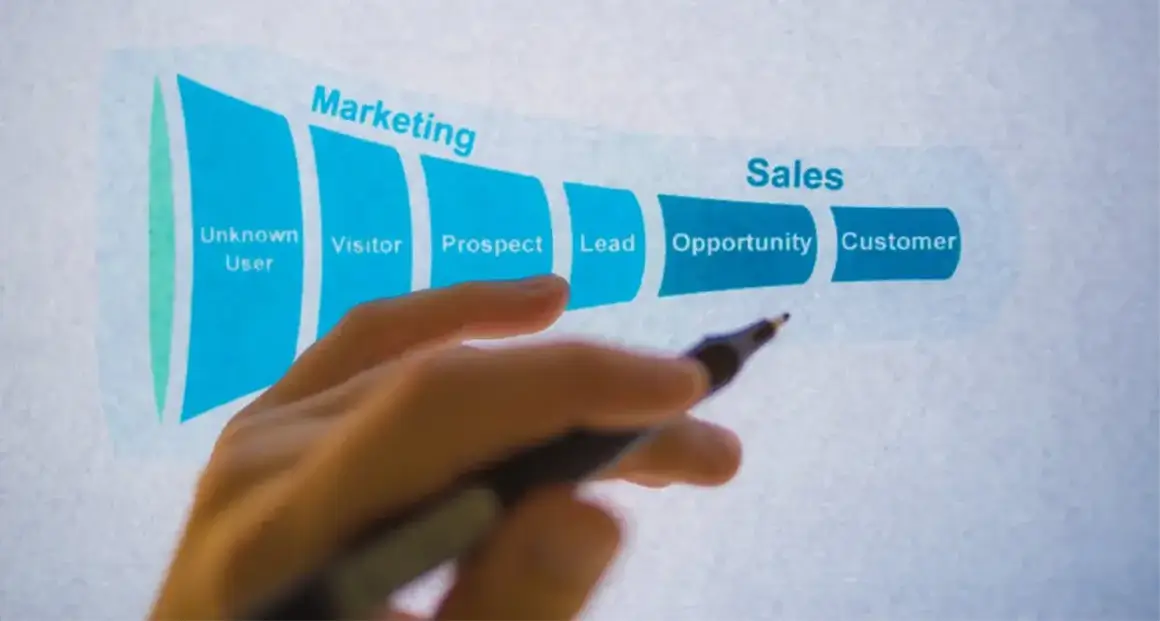
An affiliate marketing funnel is more than a concept. It maps the buyer’s journey, turning casual browsers into paying customers. In 2025, marketers face increasing competition and audience fragmentation. Funnels help capture attention, nurture interest, and guide prospects toward action efficiently. Without a clear funnel, affiliate campaigns often waste traffic and miss revenue opportunities.
Follow our expert strategies to refine your funnel and boost affiliate sales results. By the end of this article, you’ll know:
- How to structure a high-converting affiliate marketing funnel.
- Step-by-step methods to capture, nurture, and convert leads.
- Optimization tactics to boost conversion rates.
- Techniques to scale and diversify traffic effectively.
What is an Affiliate Marketing Funnel?
An affiliate marketing funnel is a structured sequence of steps designed to lead prospects toward a purchase of an affiliate product. Unlike general marketing funnels, affiliate funnels specifically aim to convert leads into commissions through targeted promotions, email sequences, and persuasive content. Effective affiliate management ensures each stage is monitored and optimized to maintain consistent performance.
Funnels are critical because they allow you to:
- Capture interest from the right audience
- Build trust before recommending products
- Automate engagement and conversion
- Measure performance and refine strategies for higher earnings
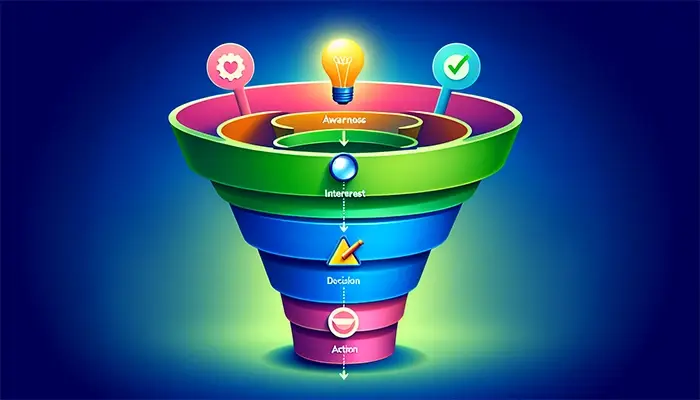
The Six Stages of an Affiliate Funnel
Each stage of a funnel serves a unique purpose. Below is a breakdown with strategies, tools, and examples.
Awareness / Traffic
Goal: Attract potential customers.
Strategies: SEO blogs, social media posts, paid ads, influencer partnerships.
Tools: Google Ads, Facebook Ads, SEMrush.
Example: A review blog optimized for long-tail keywords drives organic traffic from people searching for product comparisons.
Lead Magnet / Lead Capture
Goal: Convert visitors into leads.
Strategies: Free e-books, webinars, tutorials, or checklists.
Tools: Leadpages, ConvertKit, Mailchimp.
Example: Offering a free guide “10 Tools Every Affiliate Marketer Needs” in exchange for an email address.
Lead Nurture / Email Sequence
Goal: Build trust and engage leads.
Strategies: Automated email sequences, educational content, product tips.
Tools: ActiveCampaign, Klaviyo, HubSpot.
Example: A 5-email series introducing the product, sharing success stories, and gently leading to purchase.
Tripwire / Low-Cost Offer
Goal: Convert leads with a small initial purchase.
Strategies: Entry-level product or discount, limited-time offer.
Tools: Shopify, WooCommerce, ClickFunnels.
Example: A $7 mini-course as an introductory offer to the main affiliate product.
Core Offer / Affiliate Promotion
Goal: Maximize commission from the main product.
Strategies: High-value product recommendations, comparison posts, product demos.
Tools: Affiliate dashboards, product pages.
Example: Promoting a premium software subscription after the tripwire purchase.
Retention / Upsell / Cross-sell
Goal: Encourage repeat purchases.
Strategies: Follow-up emails, complementary product suggestions.
Tools: Email automation, CRM software.
Example: Offering add-on services or related products post-purchase to increase lifetime value.
How to Build Your Funnel (Step-by-Step Implementation)

Step One: Choosing the Right Affiliate Products
Select products that match your niche and audience. Evaluate quality, reputation, cookie tracking duration, and EPC. Diversify across programs like ClickBank, Amazon Associates, ShareASale, and CJ Affiliate to maximize revenue streams.
Step Two: Setting Up Landing Pages and Email Software
Design landing pages that clearly communicate value. Integrate forms to capture emails automatically. Use email software to segment and nurture leads, aligning messages with the buyer’s stage in your funnel.
Step Three: Crafting Content
Create blogs, reviews, tutorials, and webinars to attract and educate your audience. Every piece should align with your funnel stage, moving prospects closer to purchase without overwhelming them.
Step Four: Automation Flows
Set up automated workflows: lead capture → email nurture → tripwire → core offer → upsell. Automation reduces manual effort and maintains consistent engagement across all stages.
Templates, Checklists & Examples
To make building your affiliate marketing funnel easier, we’ve included practical templates, examples, and checklists below. These resources are designed to save you time, simplify the process, and ensure that each stage of your funnel is covered.
The examples and templates illustrate how a fully functional funnel looks in practice, while the checklist helps you systematically track every essential step.
[Add images for each template or example here later to make them visually clear and actionable.]
Affiliate funnel setup checklist:
- Define target audience and buyer personas
- Choose affiliate products aligned with your niche
- Set up landing pages with lead capture forms
- Create lead magnets for email opt-ins
- Build automated email nurture sequences
- Design tripwire or low-cost entry offers
- Set up core affiliate product promotion
- Plan retention, upsell, or cross-sell strategies
- Integrate tracking and analytics tools
- Schedule A/B tests and optimization review
Real Case Studies
- Affiliate Blogger: Built an SEO-driven blog and captured leads via an e-book. Email nurturing and tripwire offers converted 7% of leads into paid customers.
- YouTube Influencer: Offered free tutorials with affiliate links in descriptions. Combining content with retargeting ads increased commissions by 8%.
Optimizing Your Funnel for Conversions
Split Testing
Split testing, or A/B testing, helps determine which variations of your content perform best. Test headlines, calls-to-action, email subject lines, and landing page layouts.
Run experiments incrementally to isolate changes and gather meaningful data. Analyze results over at least a week to identify patterns, refine messaging, and improve conversion rates consistently.
Metrics to Monitor
Tracking the right metrics is essential for optimizing your affiliate marketing funnel. Focus on CTR, conversion rate, Average Order Value (AOV), Lifetime Value (LTV), and Earnings Per Click (EPC).
Monitoring these KPIs highlights underperforming areas, informs data-driven adjustments, and helps improve targeting, copy, and timing, ultimately boosting conversions and overall revenue.
Common Bottlenecks & Fixes
- Low email engagement → refine subject lines and personalization
- Low tripwire conversions → simplify purchase process or reduce cost
- Traffic drop → diversify channels or improve content SEO
Advanced Tips & Scaling
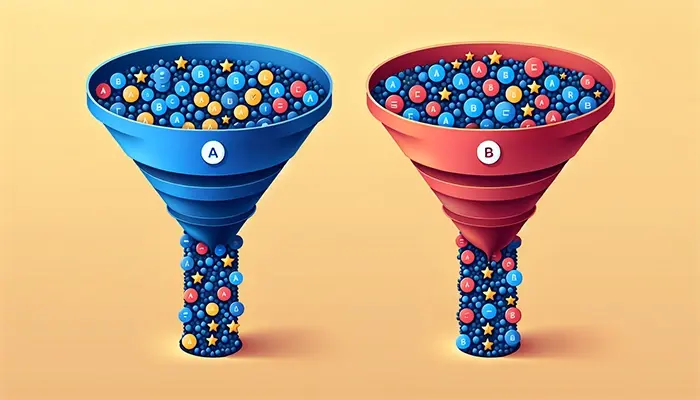
Retargeting & Cross-Channel Integration
Retargeting allows you to reconnect with users who have interacted with your funnel but haven’t converted. Combining display ads, social media campaigns, and email follow-ups keeps your affiliate products top-of-mind.
Integrating multiple channels guarantees consistent messaging, strengthens brand recall, and increases conversions at every stage of your funnel.
Leveraging Webhooks & Integrations
Webhooks and integrations streamline your affiliate management by automating tasks across platforms. Tools like Zapier or IFTTT can instantly transfer leads between landing pages, CRMs, and email platforms. Many affiliate marketing software solutions support these integrations. This makes workflows more efficient and ensuring each prospect progresses smoothly through the funnel.
Scaling Traffic Sources
Scaling requires expanding beyond a single traffic source to maintain a steady flow of prospects. Use blogs, social media, email campaigns, YouTube, and paid ads to reach different audience segments. Diversifying channels reduces dependence on any one platform, increases visibility, and makes sure your affiliate marketing funnel receives consistent traffic for sustained growth.
In essence, crafting the ultimate affiliate marketing sales funnel involves a deep understanding of the AIDA model, selecting the right products and programs, effective use of content marketing, lead capture strategies, and email marketing.
Continuous optimization through A/B testing, tracking KPIs, and leveraging automation tools can maximize conversions, leading to increased earnings. As your affiliate business grows, diversifying your traffic sources and product portfolio is essential for sustainable scaling.
Keep learning, keep testing, and keep scaling!

Frequently Asked Questions
What is a funnel affiliate marketing?
A sales funnel is a strategy designed to target the right people and guide them through a customer journey path to the designated product landing page, increasing the likelihood of them making a purchase. This approach helps businesses improve their sales and attract more leads.
How do I create a funnel for affiliate marketing for free?
To create an affiliate sales funnel for free, start by clarifying your target market, defining your end goals, mapping out a journey, creating a written funnel and building a plan of action, building out your funnel and testing it, and finally launching your funnel and tracking your results. Good luck!
What are the 4 stages of the marketing funnel?
The 4 stages of the marketing funnel are awareness, consideration, conversion, and loyalty. At each stage, the goal is to attract, inform, convert, and engage customers. Start by creating awareness, then move potential customers through consideration, conversion, and finally to building loyalty.
How does the AIDA model work in affiliate marketing?
The AIDA model works in affiliate marketing by guiding potential customers through four key stages: Awareness, Interest, Decision, and Action, helping to capture attention and drive purchases. This model is an effective framework for affiliate marketers to orchestrate successful marketing campaigns.
What factors should I consider when selecting affiliate products and programs?
When selecting affiliate products and programs, it’s important to consider factors such as the program’s quality, reputation, promotional materials, cookie tracking duration, and Earnings Per Click (EPC). Happy affiliating!